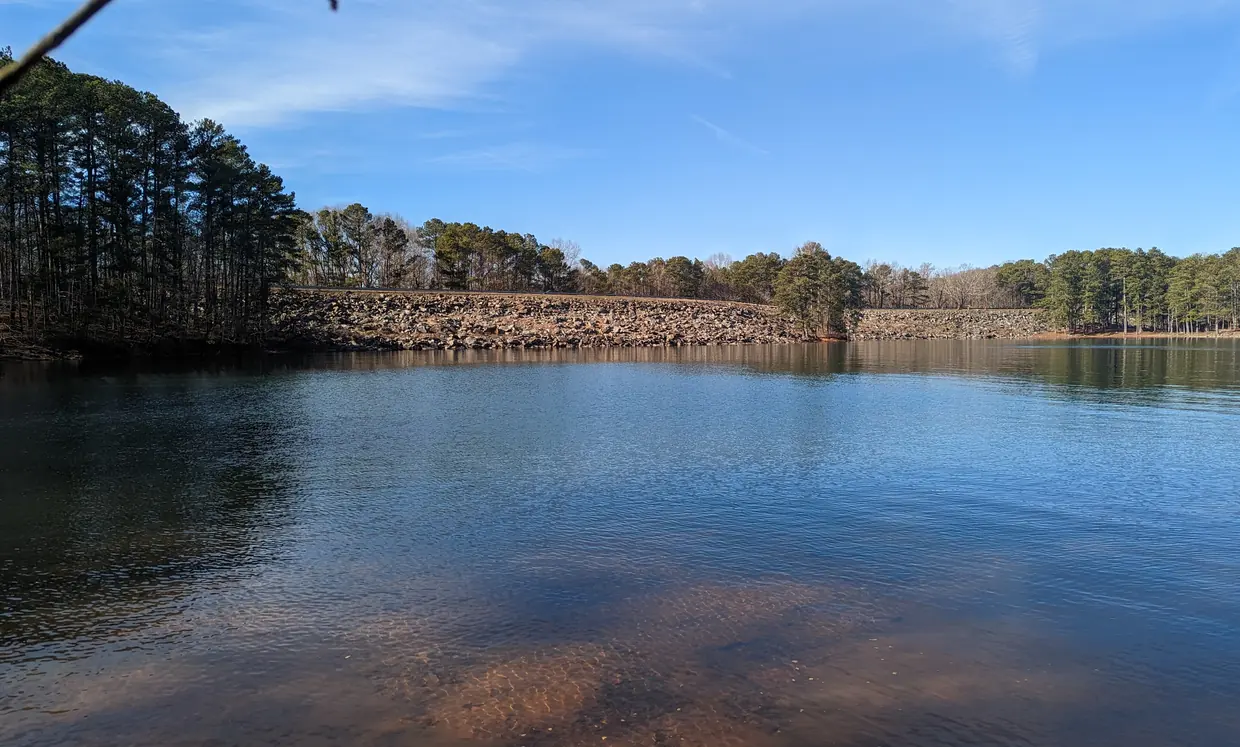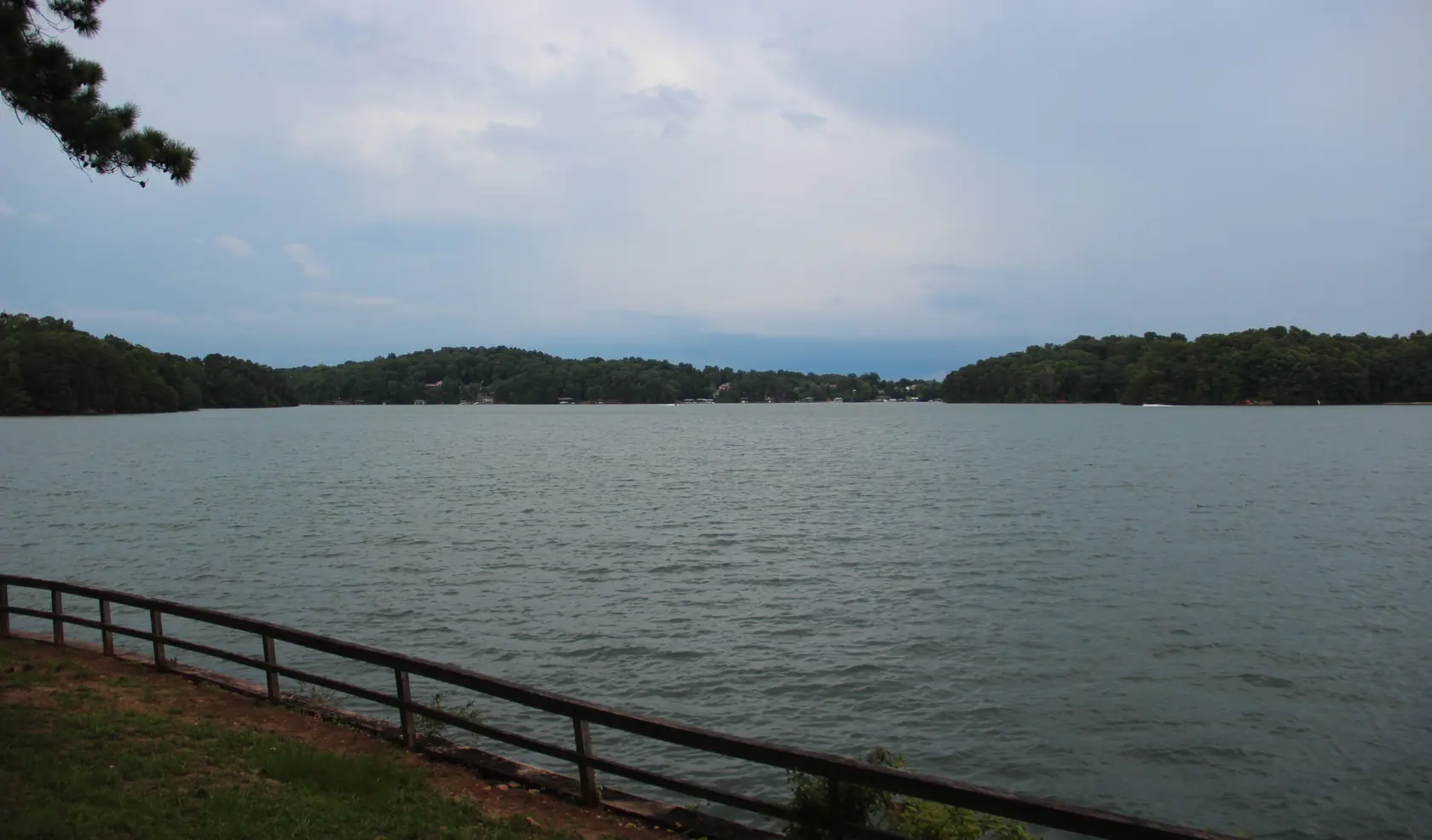
A listing photo of a dock tells you that something is in the water today. It does not tell you that you will be allowed to keep using it, or on what terms. On Lake Lanier the dock sits on federal land, and the permit behind it belongs to the seller, not to the house.
The Shoreline Management Plan says dock permits cannot be transferred. They become null and void when the property is sold or transferred, or when the permittee dies. New owners must notify the Corps of their purchase and apply for a new permit. (U.S. Army Corps of Engineers (archived page), checked 2026-10-19)
The Corps says shoreline permits and licenses last at most five years, cannot be transferred, give no real estate rights and no exclusive use of government property. Lake Lanier's shoreline is open to the general public. (U.S. Army Corps of Engineers (archived page), checked 2026-10-19)
Read those two together and the practical point is simple. The day your deed records, the seller’s permit stops counting. Nothing about the dock changes overnight, but the paperwork that allowed it now needs a new holder, and the Corps decides whether and on what terms you become that holder. The numbers and rules here come from the 2004 plan; the Corps lists a later change to this section, so confirm the current wording with its Lake Lanier office.
What the Corps tells new owners
The Corps’ Lake Lanier office sends buyers a change-of-owner letter. Its message is blunt.
The Corps' change-of-owner letter to buyers says the dock permit expired the day the name on the deed changed. It says not to install or change facilities, or cut vegetation or trees, without contacting the Corps first and getting written permission. (U.S. Army Corps of Engineers (archived page), checked 2026-10-19)
That instruction covers more than most buyers expect. Replacing worn decking, adding a lift, extending a walkway, running new power to the dock, trimming trees for a view and clearing brush along the path to the water all count as installing, changing or cutting. Ask first, in writing, and wait for the written answer.
Work on Corps property needs a permit first. The Corps lists clearing trees and understory, planting non-native or ornamental plants, placing unpermitted items such as swings, picnic tables, benches, sheds or boat trailers, and grading among prohibited acts. Violators face fines of up to $5,000, up to six months' imprisonment, restoration costs or permit revocation. (U.S. Army Corps of Engineers (archived page), checked 2026-10-19)
The land between your lot line and the water is usually public, and owning the lot next to it does not change that.
Private property lines do not extend onto Corps land. Owning the adjoining lot gives no extra rights on government property, no privacy guarantee and no exclusive use of the shoreline. (U.S. Army Corps of Engineers (archived page), checked 2026-10-19)
The documents to gather
The change-of-owner process starts with paperwork, and most of it is easier to collect before closing than after.
To start the change-of-owner process, the Corps asks for: the recorded deed with tax stamp (not a security deed), the current recorded survey or plat, your own hand drawing of the dock with all dimensions, a hand-drawn site map, an Exhibit C electrical certification if the permit requires one, and proof of authority for trusts, LLCs, estates or HOAs. A ranger then inspects the facilities and shoreline. (U.S. Army Corps of Engineers (archived page), checked 2026-10-19)
- Recorded deed: your closing attorney records it. Ask for a copy that shows the tax stamp. The security deed, which is the lender’s document, is not the one the Corps wants.
- Survey or plat: the recorded version, not a marketing sketch. If your lender orders a new survey, ask for the recorded plat too.
- Dock drawing: measure every dimension yourself and draw it by hand. If the seller agrees, do it during the inspection period.
- Site map: a hand drawing of the lot, the house, the path and the dock.
- Electrical certification: only if the permit requires one. Ask the seller whether the current permit does.
- Proof of authority: if you buy through a trust or an LLC, or from an estate, have the papers that show who can sign.
The ranger inspection comes before your permit
Once the package is in, a ranger looks at the dock and the shoreline. That visit is what your new permit rests on. The Corps’ permit program separates two kinds of applicants.
Only owners of property next to public land zoned 'limited development' may apply for a Shoreline Use Permit/License. First-time applicants for new facilities must meet a ranger on site. New owners of existing facilities apply at the Corps office. (U.S. Army Corps of Engineers (archived page), checked 2026-10-19)
A buyer of a home with an existing dock is the second kind: a new owner of an existing facility, applying at the Corps office. A buyer who wants a dock where none exists is in a different position. That answer depends on the shoreline zoning in front of the lot and the lakewide limit on permits, and our dock permit guide walks through it.
Write it into the contract and the timeline
Because the permit cannot ride along with the deed, the contract is where you protect yourself. Talk these points through with your agent and closing attorney before you sign, not after the inspection period ends.
- Ask the seller for the current permit number, a copy of the permit and any recent letters from the Corps.
- During due diligence, check the Corps permit record for that specific lot, and measure and photograph the dock as it stands.
- Ask the seller to disclose any work done on the dock or the shoreline, and whether the Corps approved it in writing.
- Agree that neither side will change the dock, the power to it or the vegetation on the shore between signing and closing.
- Put the change-of-owner package on your closing checklist so it goes to the Corps as soon as the deed records.
The Corps says it takes about 6 to 8 weeks to evaluate and process a permit application once it has the completed package. (U.S. Army Corps of Engineers (archived page), checked 2026-10-19)
Count those weeks from a complete package, not from closing day. If a document is missing, the clock has not started yet. Build that gap into your plans: a summer move-in date does not mean the Corps paperwork will be finished by then.
One permit per household, and only for the owner
The plan allows one dock permit per household. Permits are not issued for speculative purposes, for property enhancement or to renters, and the permittee must be the owner and primary user. (U.S. Army Corps of Engineers (archived page), checked 2026-10-19)
Three situations to raise with the Corps before you buy:
- You already hold a dock permit at another home on the lake. The one-per-household rule looks at your household, not at the lot.
- You plan to rent the home out. Permits are not issued to renters, and the permit holder has to be the owner and the main user.
- You are buying as an investment. The plan does not issue permits for speculation or to add value to a property.
A permit lets you keep a structure on public land. It does not make the shoreline yours, and it does not fix the water level.
The Corps says Lake Lanier's water level will periodically fluctuate as it balances hydropower, flood control, navigation, water supply, recreation and fish and wildlife needs. (U.S. Army Corps of Engineers (archived page), checked 2026-10-19)
What a listing can and cannot tell you
Listing remarks are written for the seller and often describe the dock as a feature of the home. Treat that as a lead to check, not a promise. The only reliable answer is the Corps permit record for that lot, followed by your own permit once it is issued. In a newer subdivision, also ask whether shoreline access is through a community dock.
The plan makes community docks the preferred form of shoreline access and requires them for new residential developments (final plat approved after the plan took effect) where they reduce environmental impacts. After a community dock permit is issued, the remaining shoreline is rezoned 'Protected'. (U.S. Army Corps of Engineers (archived page), checked 2026-10-19)
Questions buyers ask
Does a Lake Lanier dock permit transfer when I buy a Flowery Branch home?
No. The Corps’ Shoreline Management Plan says dock permits cannot be transferred and become void when the property is sold. The new owner must notify the Corps of the purchase and apply for a new permit.
Do I own the shoreline if I buy a lakefront lot on Lake Lanier?
Usually not. The Corps owns most of the land around Lake Lanier outright, and private property lines do not extend onto Corps land. Owning the lot next to it gives no exclusive use of the shoreline.
Who can apply for a dock permit on Lake Lanier?
Only owners of property next to public land zoned Limited Development may apply for a Shoreline Use Permit. First-time applicants for new facilities meet a ranger on site; new owners of existing facilities apply at the Corps office.
How long does the Corps take to process a dock permit?
The Corps says about six to eight weeks once it has the completed application package.
What is the 1,085-foot line on a Lake Lanier lot?
It is the maximum flood elevation set when Buford Dam was built. Where it fell on private land, the government bought flowage easements: the land stays private, but no habitable structures may be built on it and its contour may not be changed.
Can new lakefront subdivisions have private docks?
The Corps plan prefers community docks and requires them for new residential developments where they reduce environmental impacts; the remaining shoreline is then rezoned Protected.
Next step: run the lot through our due-diligence checker, which lists the Corps questions in order, and browse Flowery Branch homes for sale on Gold Peach Realty with the permit question ready for each lake listing.
Written by the Flowery Branch Homes Editorial Team. AI tools help us draft; people check every fact before it publishes.
Rules, rates and maps change. Every rule on this page links to the office that sets it; confirm with that office before you rely on it.